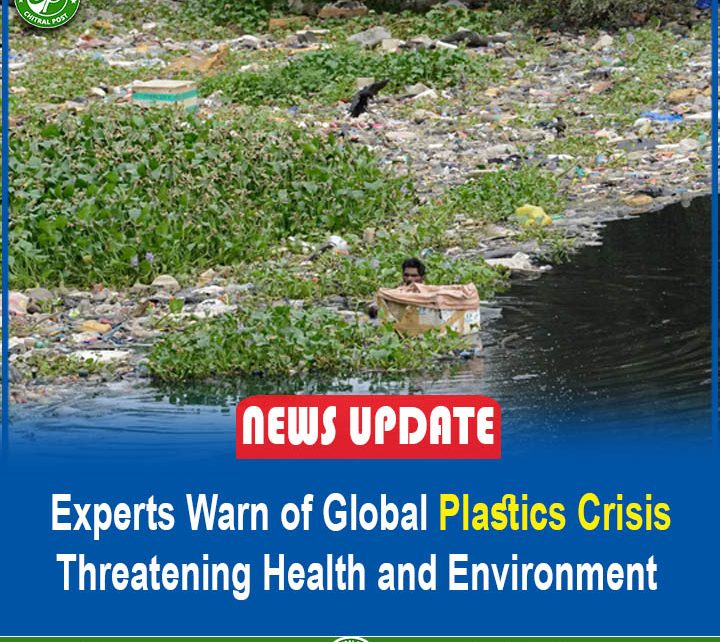
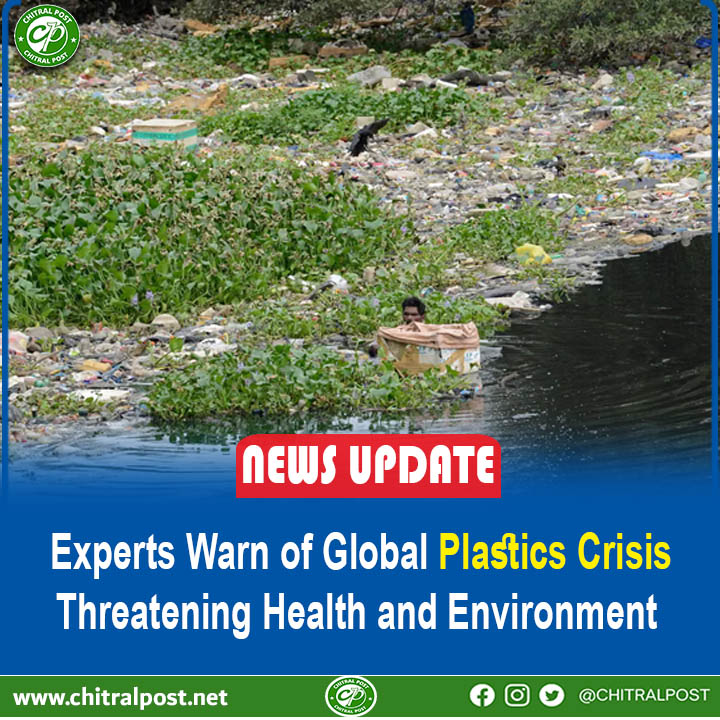
ISLAMABAD: A new review published in The Lancet has warned that plastics pose a “grave, growing and under-recognised danger” to both human health and the environment, costing at least $1.5 trillion annually in health-related damages.
Global plastic production has surged over 200 times since 1950 and is projected to nearly triple to over one billion tonnes per year by 2060. Single-use plastics—such as bottles and food containers—are driving the fastest growth, resulting in more than 8 billion tonnes of plastic pollution worldwide, from Mount Everest to the deepest oceans.
Less than 10% of plastic waste is recycled, while the rest causes harm at every stage—from fossil fuel extraction to production, use, and disposal—through air pollution, toxic chemicals, and microplastic contamination. These tiny particles have been found in human blood, lungs, breast milk, and even placentas, with links to cancer, fertility problems, and heart disease.
The report comes ahead of global negotiations for a legally binding plastics treaty. Over 100 countries support capping production, but oil-rich states like Saudi Arabia oppose the move. Experts stress that recycling alone cannot solve the crisis, as most plastics are chemically complex and difficult to recycle.
With more than 98% of plastics derived from fossil fuels, their production emits over 2 billion tonnes of CO₂ annually—more than Russia’s total emissions. Researchers say urgent action is needed to protect human health, particularly for vulnerable groups such as infants and children.